Endurance - getting started


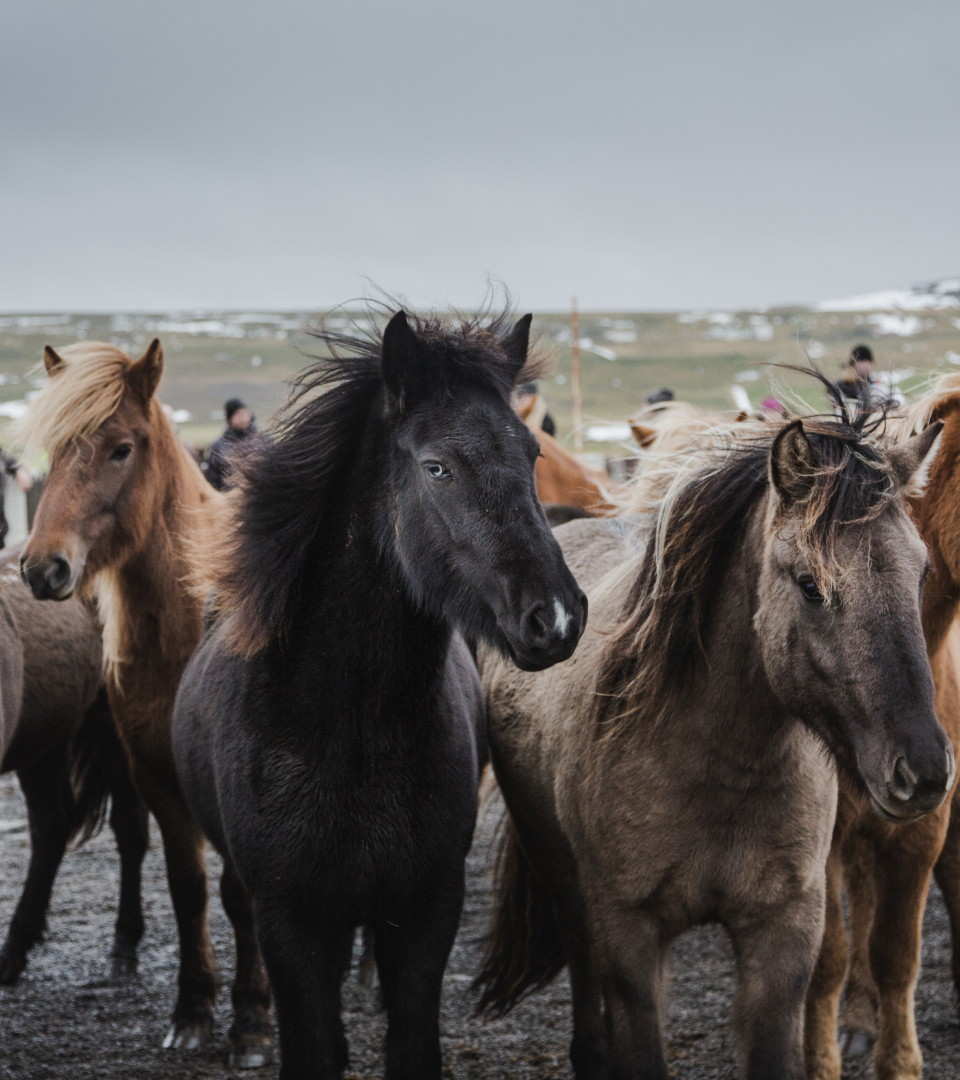
Image: Endurance riders
Endurance riding is a sociable sport open to everyone

This article aims to help you get started in the world of endurance riding. It covers how to enter a ride, what paperwork you will receive and what to do when you get to a ride.

When starting out, there’s so much to take in, but don't be phased. The following aims to give you a start on how to enter rides and prepare well ahead of the event so you arrive less stressed.

Paperwork

To enter you will be required to fill in an entry form; these can be found on the main Endurance GB website at the link below and should be sent off to the ride secretary - details can be found on the website or on the schedule if there is one. Most rides have an opening date (before which you can’t send in your entry) and a closing date for receipt of entries.

One week before the ride you will receive your entry paperwork from the ride secretary. This will generally include an overview sheet with your allocated rider number, your vet time (the time you are expected to present your horse to the vet), a vet sheet (complete this prior to arriving at the ride as you’ll never find a pen when you get there and the Secretary won’t thank you), your start time (which is 30 minutes after the vet time), the route talk round, map of the route and directions to the venue. A good idea is to keep all the paperwork received in the envelope as it is, so it’s easily recognisable and accessible.

The Day Before

If you can, it’s best if you can load your car, trailer or lorry the night before with everything you need to take. Don’t forget hay for the journey (there and back), feed for the end of the ride and plenty of water. It’s also a good idea to have a checklist so you don’t forget anything – it’s easy to assume your girth is with the saddle, but it might not be. If you can, carry a bare essentials first aid kit in a bum bag or saddle bag and a hoof pick, some vet wrap and bailing twine. If you’ve invested in a map case, put the talk round and map into it – one less thing to do on the day.

Work out how long it is going to take you to travel to the venue – suggest arriving one hour before your allotted vet time. Remember, you don’t drive as fast when towing a trailer or driving a lorry as you do in a car.

On The Day

Leave yourself plenty of time at the yard for grooming, loading etc. If your horse picks up on your nervousness he may be more difficult to load; the more time you have the more relaxed everyone will be. By giving yourself plenty of time to get to the ride, both you and your horse will arrive relaxed; travelling can take a lot of energy out of some horses. You will also have time to establish what’s what at the venue and have time for anything unexpected that may occur.

At the Venue

Each horse is different - you know your own, but if the horse seems quite calm, leave them in the trailer or box.

Locate the secretary. You won’t need your vet sheet, but do take details of the rider number that has been allocated to you. You’ll be issued with your number bib – on completion of the ride and after your final vetting you should return this to the secretary, when you will receive your completion rosette.

If entering a Competitive Ride (CR) and you’re a member of EGB, the secretary will wish to see your horse’s Registration Card and your Master Card (MC). Non Competitive Rides (NCR’s) are not recorded on the MC but provides a log of all CR’s your horse has entered. The MC will be retained by the secretary and returned to you at the end of ride.

Check the notice board for any changes to the route etc.

Familiarise yourself with the venue layout, including location of the farrier, vetting area, toilet, refreshments van etc. Some venues are nice and compact, but others, depending on where you are parked will require at least five minutes for you to get from your parking area to the farrier and vetting.

Once back at the trailer/lorry, unload your buckets and tack - all the better if you are able to do this before unloading the horse - so that when you return from the pre-ride vetting you are able to simply tack up. This includes your hat, gloves and map case with your talk-round and map in it. You have 30 minutes from vetting before your start time, so you don’t want to be wasting it by trying to find your tack and getting it off the lorry. By setting out your water buckets you’ll be ready on returning to the lorry at the end of the ride to wash your horse down, before presenting to the vet.

For the pre-ride vetting

Put on your number bib. Keep an eye on the farrier and vetting areas – if they look like you’ll have to queue, then ensure you get there in such time that it doesn’t delay you from your scheduled vet time. You should allow five minutes prior to the allocated vet time for presenting to the farrier.

Your horse can be presented in either a headcollar or bridle, no saddle or leg boots. Vets do like well-behaved horses, so if your horse is prone to the opposite, practice trotting up at home and picking up their feet – get someone else to do this so they’re not just used to you.

You will need to take your completed vetting sheet with you at this point, but will only get it back on completion of the ride when you take your number bib back.

The first port of call is the farrier – a check to ensure your horse’s feet are in good condition to do the ride. He is not there to do last minute shoeing; it is your responsibility to ensure your horse’s feet are appropriately shod.

After this make your way to the vetting area. Present yourself to the vet steward (VS) who controls all traffic in and out of the vet area. They will take your number and ask what your scheduled vet time is. When a vet is free, the VS will direct you to one. Hand your vet sheet to the vet writer who assists the vet. Present in either a head collar or bridle. Once your horse has been successfully vetted, you can return to the trailer/lorry to tack up, get your hat on etc., ready to proceed to the start area. Take time to walk around if your horse needs calming. Remember to ensure you have your talk round and map with you.

On completion of the ride

You have up to 30 minutes from the time you finish to present to the vet for the last time – the timekeepers at the finish will tell you what time you finished and up to what point you have to re-present to the vet. Again, a head collar or bridle is fine. Use time before presenting to the vet to wash your horse down (weather permitting- common sense of course tells you not to do too much of this if it is very cold), let him drink if he wants, put a cooler rug etc. on him as he may be sweating and you want to avoid him getting a chill. Walk him around to stop him stiffening up.

Lastly, if in doubt, ask. Never be afraid to ask anyone for help or advice. Everyone has started somewhere and you will find most riders are more than happy to help anyone new to the sport.

Node 21777
Time: 140ms
Cached: no

ON THE WEB

view: links_on_the_web
Time: 10ms
Cached: miss

ASK THE EXPERTS

Do you have any burning questions you'd like answered? Email your dilemma to our H&C experts at:

webeditor@horseandcountry.tv

LATEST NEWS

view: latest_news_mini_taxonomy_5
Time: 290ms
Cached: miss
page
Time: 72ms
Cached: no