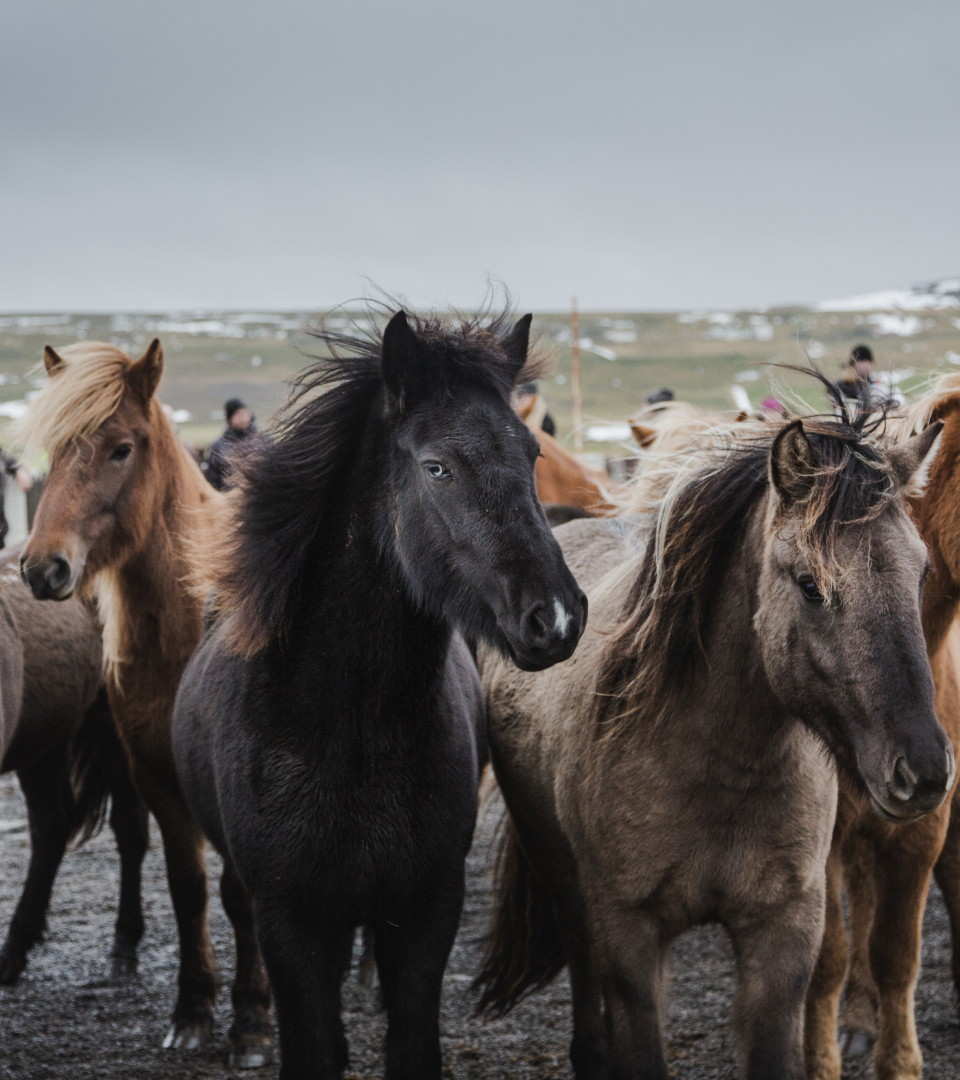
Horses have a complex array of body language signals and noises through which they communicate. They try to communicate with their human handlers using the same methods they share with other horses. By understanding how a horse thinks and reacts, you can improve your relationship with your horse and use his natural instincts to assist you in his training.
Horses and humans see the world very differently, and natural horsemanship is based on being able to tap into your horse's point of view. Horses are prey animals; they have been hunted by other animals as food for centuries.
As a result, horses’ powerful instincts ensure they are always on the lookout for danger, such as sudden noises, sights and smells. We might not even notice them, but for horses they signal that potential danger is present; even everyday things such as a plastic bag, a drains, car horns or rustling branches in the wind can prompt a horse to go on high alert.
Understanding why horses react in the ways they do - and when they do it - can be enormously helpful to riders and handlers alike.
For example, if your horse suddenly balks and stares it’s likely his powerful eyesight, sense of smell, or hearing have picked up some potential hazard. You might well not know what your horse has sensed and get angry or frustrated. But if you try to think from his point of view and react accordingly, he’s likely to feel confident more quickly and do as you ask. For example, if you are aware that your horse sees hidden gremlins in white plastic bags, reassure him and pat him as you approach one. Don't get angry if he wants to rush away from his perceived danger. Become the 'herd leader' and assure your horse that he's perfectly safe.
The more you can observe horses interacting in their natural environment, the more you’ll notice and understand. See if you can work out the herd's pecking order, and watch how they use their ears, tails, feet, teeth and body language to signal to each other.
Body language - sometimes overlooked by people in favour of the spoken word – plays an enormous part in equine communication, and horses are very ‘articulate’.
As you observe and practice simple natural horseman techniques, your change in communication behaviour will cause horses to respond differently to you. Enjoying balanced friendship with animals is exciting, and can also be emotional. Hearing your horse call to you as you walk towards his gate is very rewarding and can only be achieved by earning his trust.
Helen Wingstedt
| 1:00am | Badminton 2011 - Cross Country |
| 6:00am | The Saddle Club |
| 6:30am | The Saddle Club |
| 11:00am | Wonder Dogs |
Advertisement
Advertisement

About Us | Advertising Info | Contact Us | Help | Terms of Service | Privacy Policy | Sitemap | Feedback
© H&C TV Ltd 2008-2012