The word ‘dressage’ is a French term, meaning training. Put simply, dressage is the art of striving for a harmonious and barely perceptible communication between horse and rider.
Said to originate battle riding, dressage has come a long way and is now an elegant and refined Olympic sport.
Harmonious performance is only possible when the rider has a correct and well-balanced body position, moves with the horse's motion and times the aids (commands) correctly.
Dressage is deceptive. It may look easy, but to do it well is incredibly difficult. It takes years of dedication and training to reach the ‘Grand Prix’ (GP) level seen at the Olympics. Equestrianism is the only Olympic sport in which men and women compete against each other on equal terms, and the only one to team up athletes with animals.
The close relationship between horse and rider is critical and takes months, if not years, to foster. If an Olympic rider twists his ankle just prior to the big day, another rider cannot take his place on the same horse. The bond between horse and rider must be firmly established to compete at the top levels.
In competition, riders perform a series of choreographed movements known as a ‘dressage test’. Horse and rider are given a mark out of ten for each movement they perform, plus additional marks for the horse’s paces (the way it moves), impulsion (its desire to work actively), submission (evidence of willingness), and the rider’s position.
The average of these scores gives a percentage, which is the final mark. It is extremely rare to be awarded a ten, and dressage riders continually strive for that ever elusive perfection. The world record score for a GP freestyle (where all elements of the normal GP must be performed to individually choreographed music, as in the individual final in the Olympics) test is 87.93%, achieved by Dutch dressage rider Anky van Grunsven and her ride Salinero in 2006.
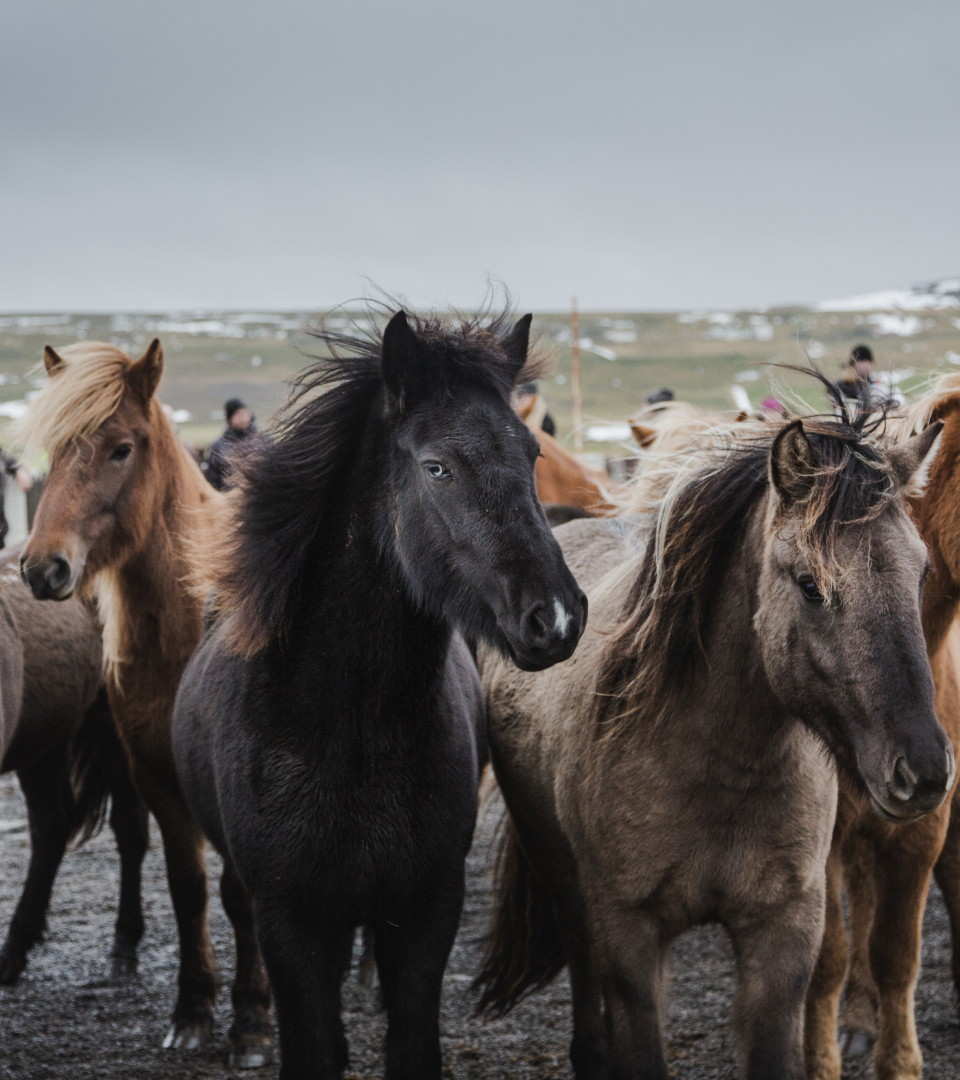
But if you - like most riders - have more lowly goals, do not despair; dressage is really just about putting emphasis on correct training. Any horse, from a shaggy New Forest pony to a lithe Thoroughbred, can do it. Thousands of competitors enjoy the multitude of dressage competitions on offer throughout the country each year.
Unaffiliated competitions tend to be more informal but often run along British Dressage (BD) rules. BD affiliated competitions can offer the chance to qualify for regional championships, where success gains qualification to the bi-annual BD National Championships. Most tests are held in a long arena measuring 20 metres by 60 metres, but some of the lower level tests use a short arena measuring 20 metres by 40 metres. The competition levels are:
Introductory
Preliminary
Novice
Elementary
Medium
Advanced Medium
Advanced
Prix St.Georges
Intermediare I
Intermediare II
Grand Prix
Advertisment(?)
Advertisment(?)

About Us | Advertising Info | Contact Us | Help | Terms of Service | Privacy Policy | Cookies | Sitemap | Feedback
© H&C TV Ltd 2013