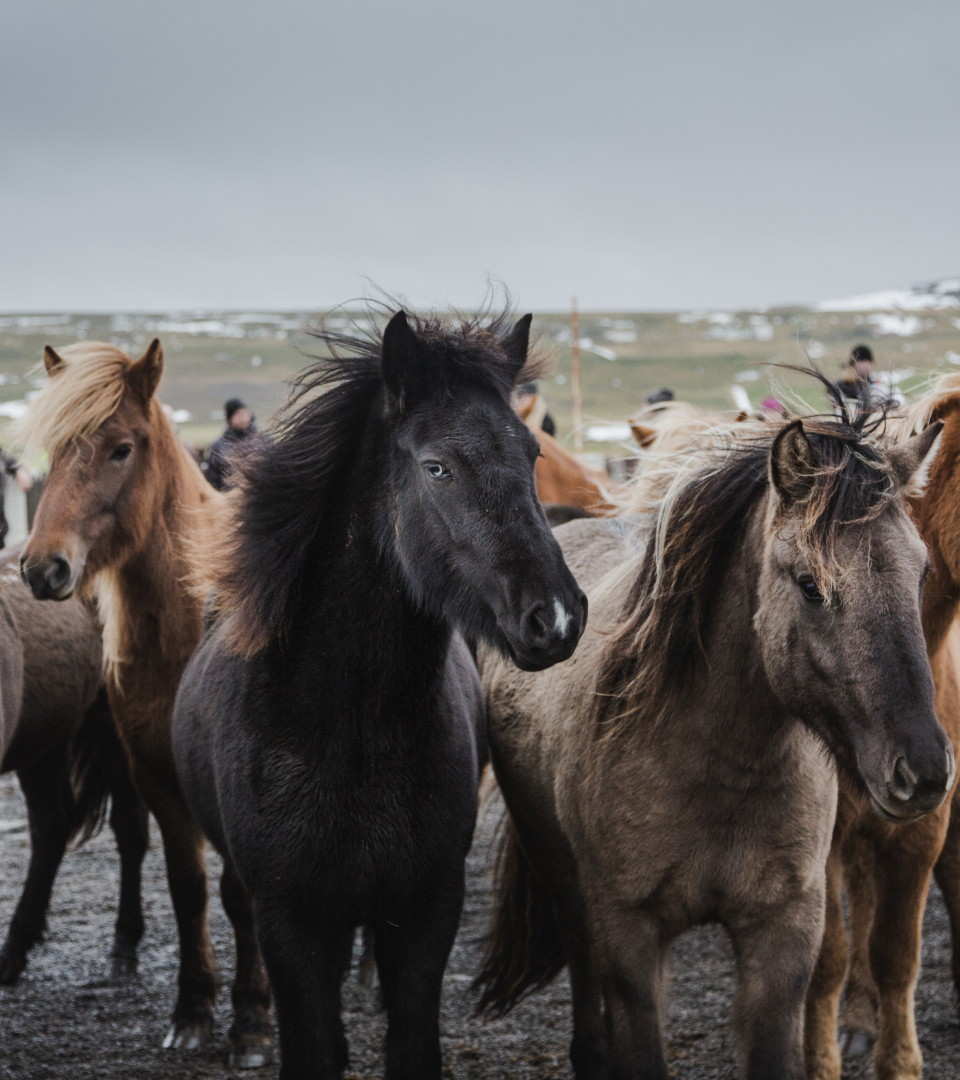
Hundreds of horses face being put down this winter because their owners can no longer afford to keep them, H&C has learnt.
Sanctuaries and animal charities around the country have been flooded with requests to take in animals, but they cannot cope with the demand.
Some charities have reported a 1,500% rise in owners looking to find their horse a new home, and have been turning away unwanted animals for months.
It costs between £3,000 and £5,000 a year to look after a horse, and with the global financial crisis still biting, the bills are simply too expensive for some owners. The outlook is particularly bleak for older horses as they are very difficult to sell.
The world's oldest horse charity, The Horse Trust, reports a dramatic increase in demand for rehousing horses from owners under financial pressure. It is currently receiving about ten requests for help a day, compared with last year's average of around 20 per month.
Based in Buckinghamshire, the organisation has had to close its doors to new arrivals for the first time and has launched a rehoming scheme for unwanted horses.
Chief executive Paul Jepson said: "Owners simply can't find anyone who is willing to take on an older horse, so euthanasia is often the only option they have."
The Horse Trust's Nicolas De Brauwere, chairman of the National Equine Welfare Council, the umbrella organisation for rescue centres, warned this winter "may well see the real impact of the recession on horse welfare."
The council has posted cost-cutting advice to owners on its website but warns against 'false economies' such as cutting back on veterinary care.
There are around 1.2million 'pet' horses in Britain. A recent survey showed around two-thirds of horse owners changed their spending habits in the past six months as a result of the recession.
Horses are considered veteran from the age of 15, but many can now live into their twenties or even thirties.
Already each year, up to ten thousand horses are slaughtered at British abattoirs and many end up on dinner plates on the Continent. Professor Derek Knottenbelt, an equine veterinary expert at the University of Liverpool, said shooting a horse was sometimes the only 'viable option', adding: "It is a justifiable and often sensible way of ensuring the horse is not subjected to ongoing cruelty and neglect."
| 1:00am | Badminton 2011 - Cross Country |
| 6:00am | The Saddle Club |
| 6:30am | The Saddle Club |
| 11:00am | Wonder Dogs |
Advertisement
Advertisement

About Us | Advertising Info | Contact Us | Help | Terms of Service | Privacy Policy | Sitemap | Feedback
© H&C TV Ltd 2008-2012