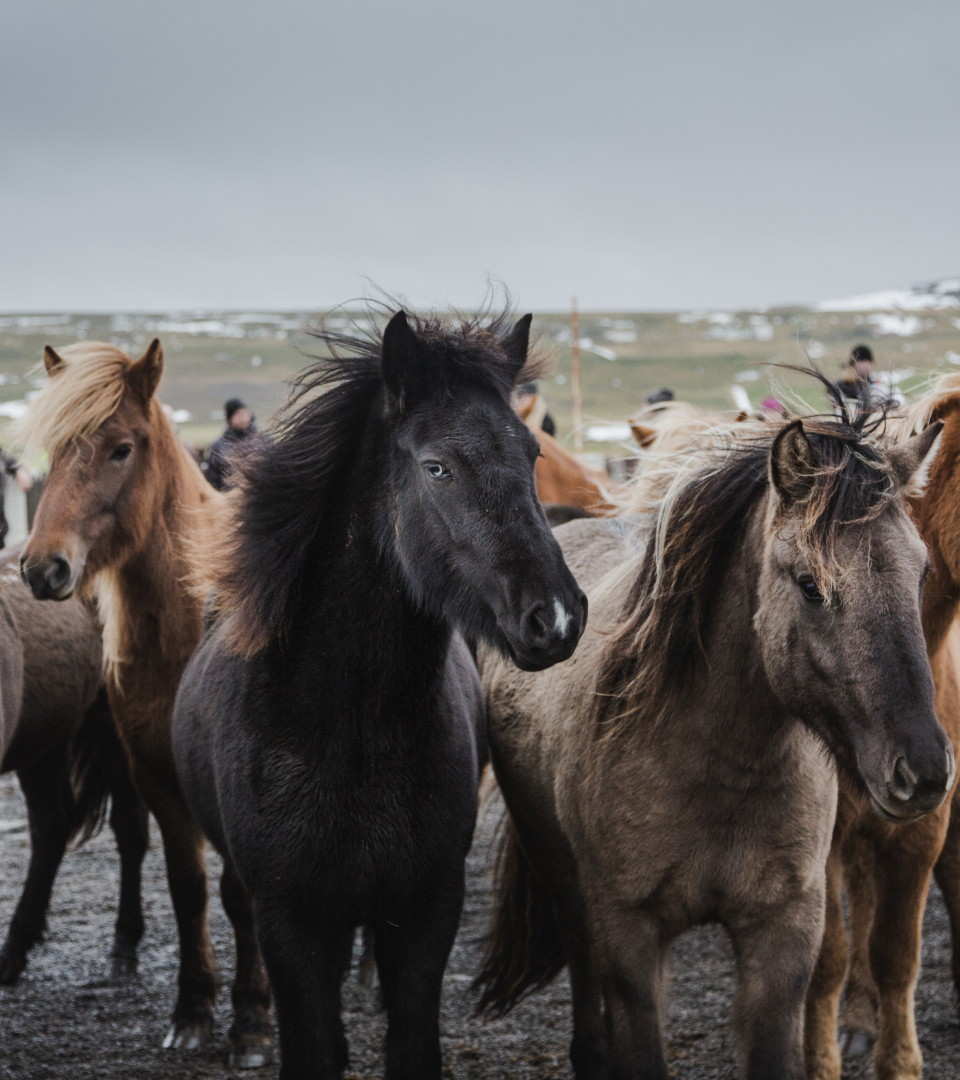
It may sound like something from a sci-fi film, but cloned horses could soon be competing at international level.
Following in-depth analysis of the process at the spring sports forum in Lausanne (30 April-2 May), the FEI has announced that it “will not forbid participation of clones or their progenies”.
The decision is a complete u-turn, as the equestrian federation previously said that cloning went against one of FEI’s basic objectives: “to enable FEI athletes to compete in international events under fair and even conditions.”
The new ruling came about after the FEI were shown the latest research on equine cloning, which involves taking the genes of any cell (such as skin) and then duplicating them.
FEI veterinary director Dr Graeme Cooke said little was known of about cloning at the time of the ban. "We now know that the clone is only a 98 per cent copy of the original," he said.
Dr Cooke also said that many other factors could be implicated in the outcome of a competition horse, such as the maternal environment, training, the rider and their relationship with the horse.
"We came to the conclusion there were so many variables that there were no unfair advantages that were contrary to the spirit of sport."
There are no clones currently competing, but there are a number of progeny that will now be able to compete in the future, following the FEI’s decision.
Austrian rider Hugo Simon’s grand prix showjumper, ET, has produced one clone while the 1988 Olympic games team and individual silver medalist, Gem Twist, has been cloned twice.
Gem Twist’s breeders Frank and Mary Chapot own four-year-old Gemini, who was originally cloned for breeding, while Olga White has just bought the appropriately named yearling, Gem Twin.
Olga, who also owns Peter Charles’ Olympic ride, Murka's Vindicat, says that the rider is delighted with her latest purchase, although there are currently no plans to compete the now-named Murka’s Gem. Instead he will play an important role in Olga’s breeding programme.
"For my rider, Peter Charles, this is a dream come true,” Olga told The Telegraph. “A few years ago we would not even have dreamed of it. Gem Twist was a horse with a heart of gold who would never say die. This is what makes a good show jumper into a great show jumper.”
The top Holsteiner stallion Chellano Z, who died in 2006, has also been cloned, using tissues which were taken from him before he died. In September 2011 Chellano Alpha Z became the first clone in the Zangersheide’s studbook.
According to the stud the yearling is “as alert, as handsome, has the same flawless jumping technique and the same DNA as his donor.”
Earlier this year two clones of the grand prix dressage stallion Jazz were born in the United States.
The two main companies offering cloning are ViaTech in Texas and Cryozootech in Sonchamp, France. While both companies welcomed the news, which Cryozootech says is the result of “10 years of smooth information and lobbying”, they explained that cloning isn’t simply about duplicating top horses. Instead, it enables their genes to made available after they have died or been gelded.
The FEI has stated that it will continue to “monitor further research, especially with regard to equine welfare.”
Thinking of breeding? Think again, ...
The British Horse Society (BHS) is pleading with owners to ...
Olympic showjumping team announced
The British Olympic Association (BOA) has today confirmed the ...
Advertisment(?)
Advertisment(?)

About Us | Advertising Info | Contact Us | Help | Terms of Service | Privacy Policy | Cookies | Sitemap | Feedback
© H&C TV Ltd 2013